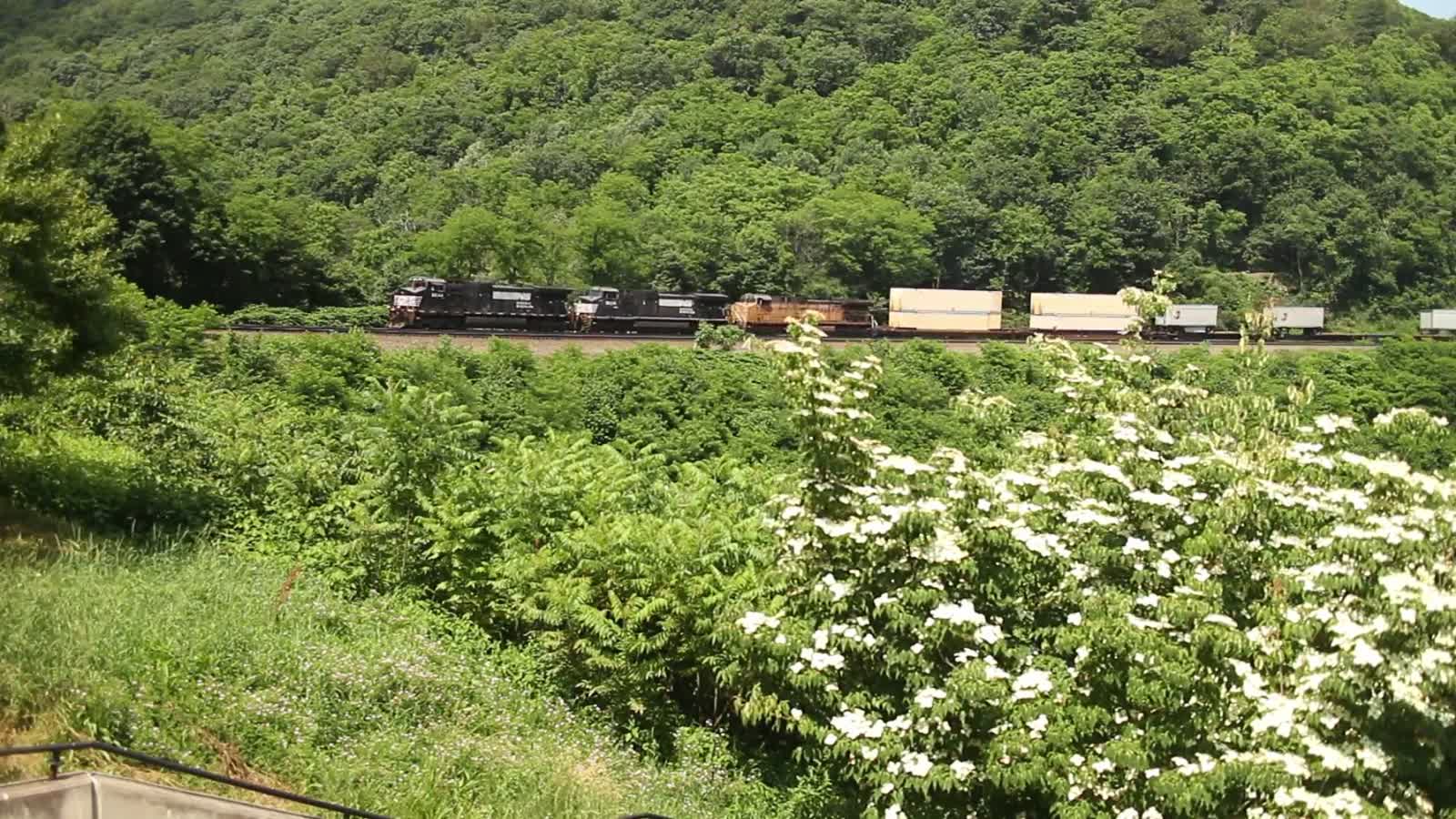
Rail
Efficiency by train, locomotive and driver, stops, train makeup and driving standards.
Rail Efficiency, Trip Analyzer and SimulatorEnergy efficiency and operational safety
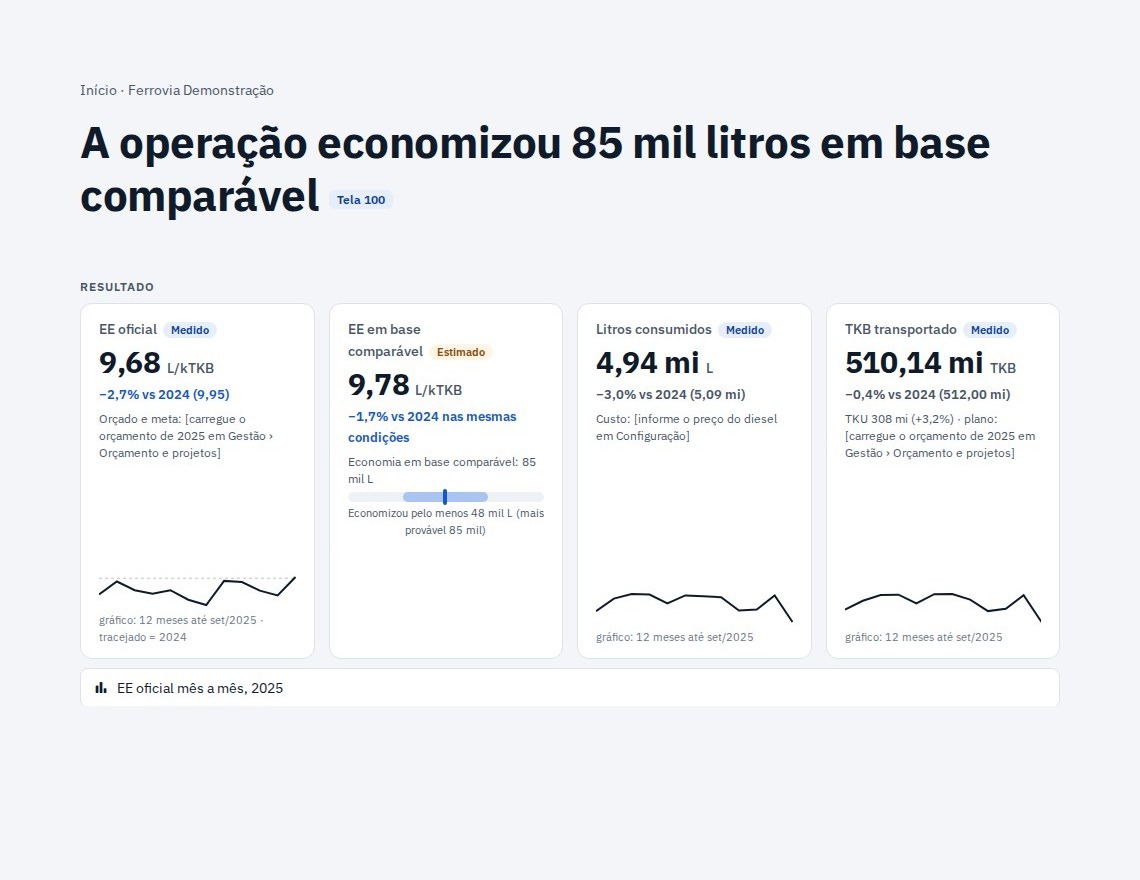
BlueX Vision links every refuel to the trip that burned it, compares each train with itself and shows, in liters, how much of the change came from driving, the locomotive, operations or the train itself. Every finding comes with an owner and a suggested action.
Results from projects the BlueX team worked on.
The problem
When consumption goes up, every department brings its own spreadsheet and nobody closes the numbers. BlueX Vision does: it shows where every liter went and what to do.
20–39%
of operating costs at large Brazilian railways go to diesel
~50%
of operating costs at medium and large mines are truck haulage
14%
of all diesel used in Brazil goes to agriculture
<1%
of the data generated by mining equipment is ever used
Sources: Monitor Mercantil (2023); Figueiredo, Arroyo Ortiz and Silva, Mining Science (2024); EPE (2024); McKinsey (2015).
 Demo railwayanalysis complete
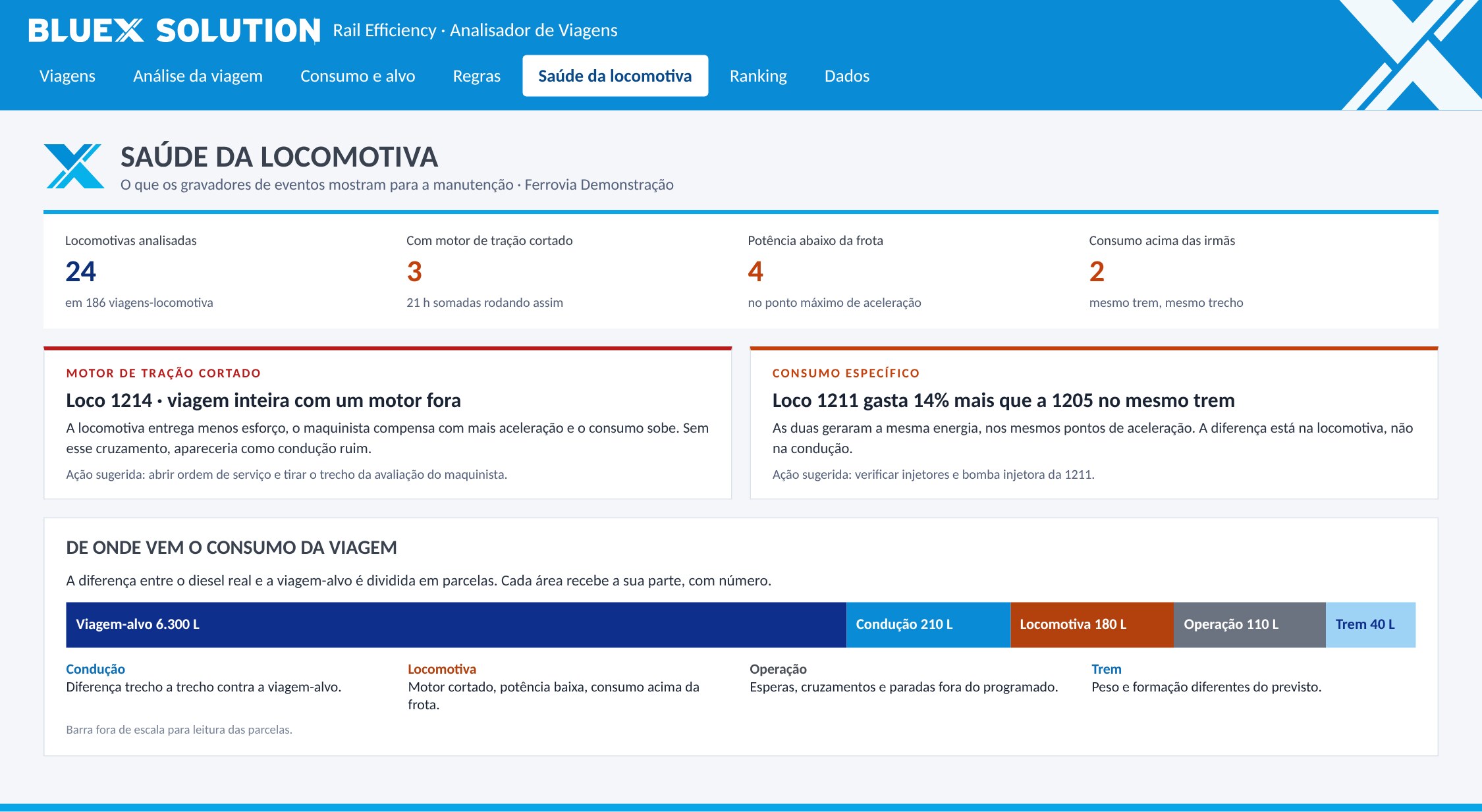
Where the extra 540 liters came from
The platform
Reads refuels, train movements, the locomotive register and event recorders, from spreadsheets or databases.
Links every liter to the trip that burned it: efficiency by train, locomotive, section, service and driver.
Puts each train against itself, on the same route, tonnage and consist, and separates different work from real efficiency.
Delivers the finding in writing, in liters and with an owner. E.g.: “Loco 1211 burns 14% more than 1205 on the same train. Check the injectors.”
The official energy efficiency next to the comparable efficiency, with the change explained in liters and screens for every department.
Event recorder and GPS data compared with the target trip, section by section.
Build the train, pick the section and the simulator works out, using the physics of the track, the best plan for acceleration, braking and stops.
| The usual way | With BlueX |
|---|---|
| Fleet-wide average | Each train compared with itself, on an equivalent basis |
| A metric that moves without explanation | Change explained in liters: different work or real efficiency |
| Findings with no owner | Every liter with a cause and an owner: driving, locomotive, operations, train |
| Parallel spreadsheets in every department | One source of truth, auditable back to the source record |
| Targets set without a baseline | Zero-based budget and savings projects with measured gains |
| Generic software, adapted | Built by people who ran railway and mining operations |
Industries
Efficiency by train, locomotive and driver, stops, train makeup and driving standards.
Rail Efficiency, Trip Analyzer and Simulator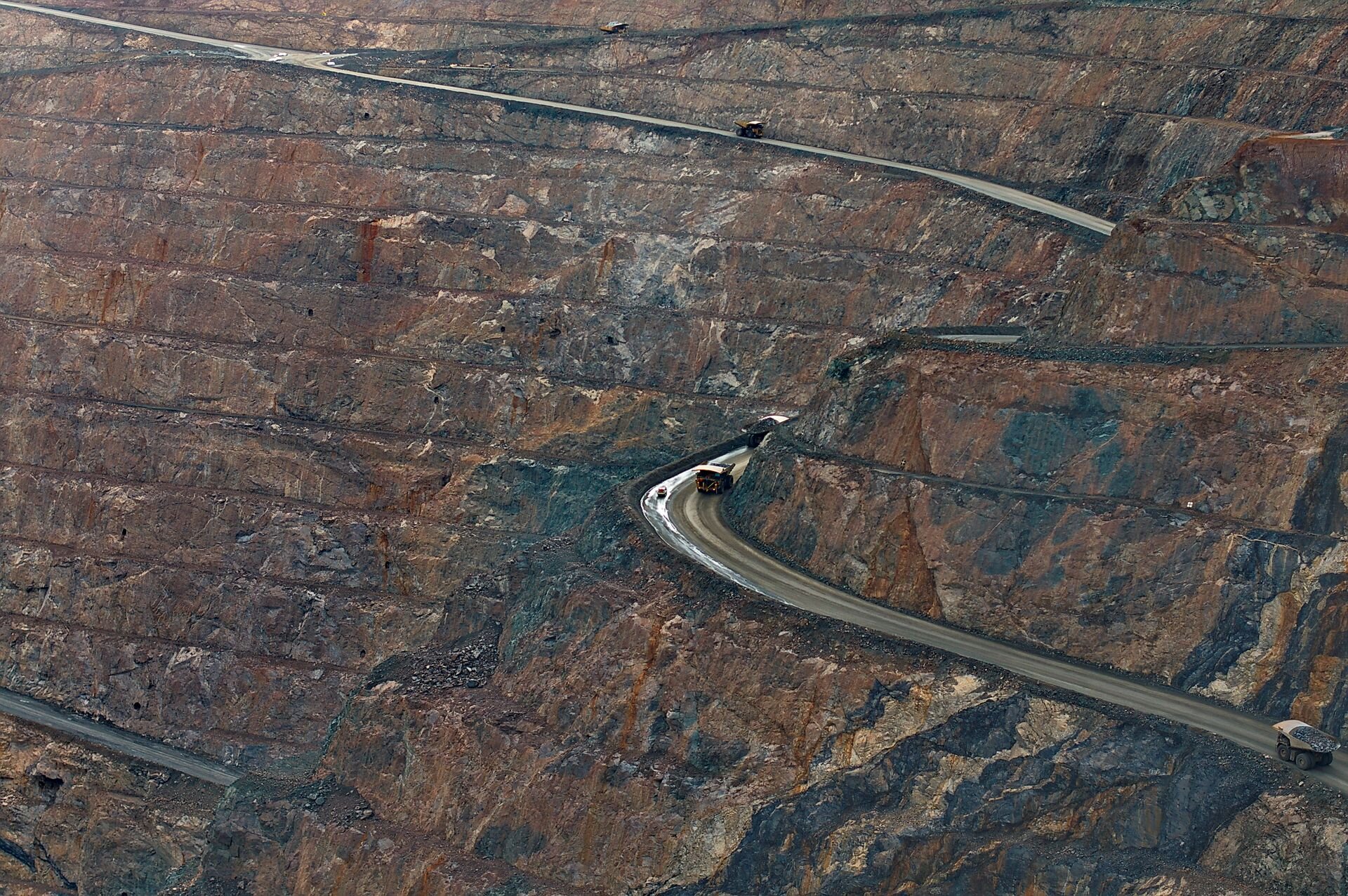
Liters per tonne moved, by operator, haul road and equipment condition.
Module in development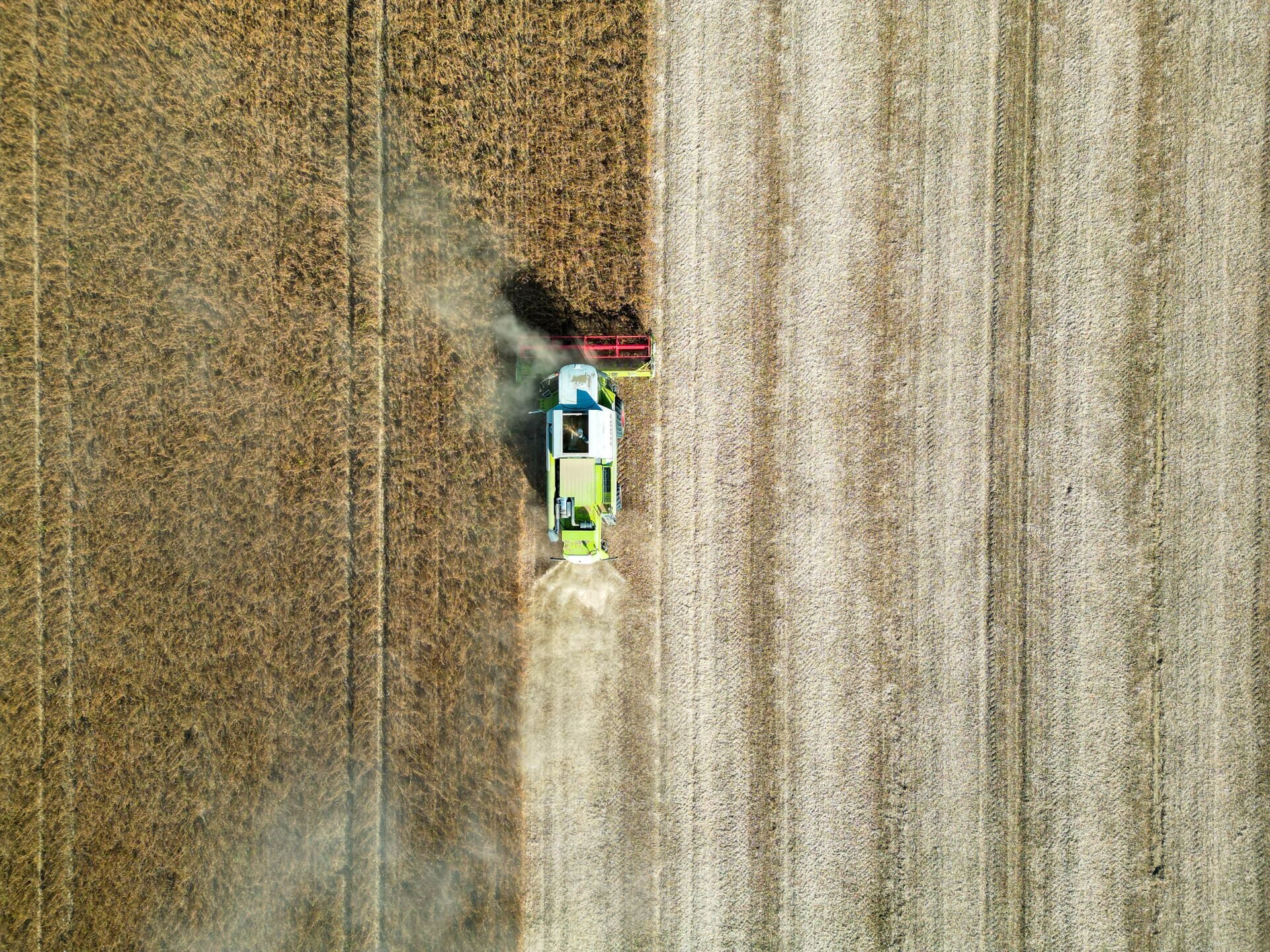
Planting, harvest, transfer and crop haulage: fuel per unit of work done.
Module being scoped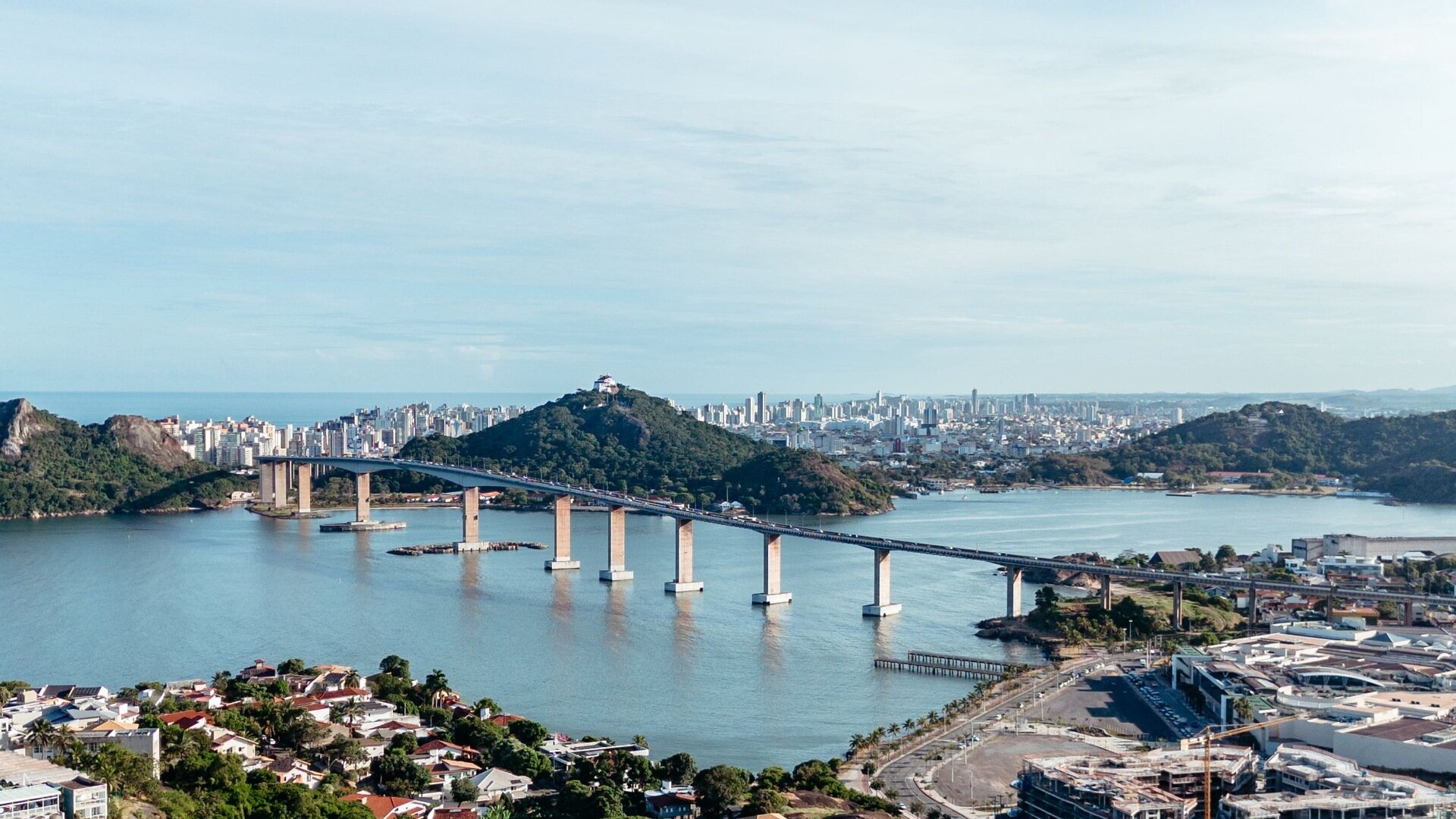
Fuel use and operational safety for equipment and operators.
BlueX consultingProven experience
−11%
in liters per thousand GTK at a Brazilian railway
−29%
in liters per thousand GTK at another Brazilian railway
Liters saved per year. Each liter saved avoids about 2.7 kg of CO₂, roughly 86,000 tonnes over the period.
Projects with participation of BlueX team members. Client names are kept confidential.
About us
BlueX Solution is a Brazilian energy efficiency and operational safety company based in Vitória, Espírito Santo. The team comes from the yard, the cab, the workshop and the control center of heavy haul railways and mining, with published academic research on railway fuel consumption.
To provide smart decision-support solutions for high performance in fuel consumption and operational safety.
To be an international reference in fuel consumption management and operator behavior in mining and rail.
Partnership, competence, development, respect for people and respect for the planet.

MSc in Civil Engineering from UFES, with a focus on transportation. Research on energy efficiency in railways and mining.
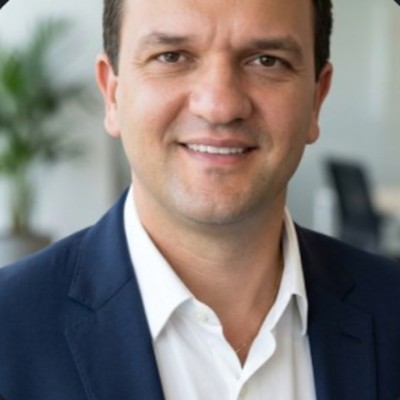
MSc in Civil Engineering from UFES, with a focus on transportation. Computer scientist, with research on energy efficiency in railways and mining.
Getting started
The baseline is agreed at the start and the gain is measured in liters. Tell us about your challenge and we will get back to you.